

Planning a trip to Egypt can feel overwhelming fast. Between pyramids, Nile cruises, temples, and desert excursions, there's a lot to coordinate, which is exactly why all-inclusive packages have become the go-to option for first-time visitors. But "all-inclusive" means different things depending on who's selling it, and understanding what you're actually paying for can save you from unpleasant surprises once you land in Cairo.
This guide breaks down what these trips typically include, what they cost, what catches people off guard, and how to pick the right one for you.
What Does "All-Inclusive" Actually Mean?
Tour operators use the term loosely, so it's worth knowing the real distinctions before you compare packages:
- Bed & breakfast only breakfast is provided
- Half board breakfast and dinner included
- Full board breakfast, lunch, and dinner included
- All-inclusive all meals plus most drinks (alcohol varies by operator, so confirm this specifically)
Beyond meals, a genuinely all-inclusive Egypt package usually bundles:
- Hotel or Nile cruise ship accommodation
- Guided tours with an Egyptologist
- Entrance fees to major sites
- Domestic transport (flights between Cairo and Luxor/Aswan, transfers, coaches)
What's almost never included, regardless of what "all-inclusive" implies:
- International flights to and from Egypt
- Egyptian visa fees
- Travel insurance
- Tips and gratuities
- A handful of premium add-on sites (see below)
Reading the fine print here matters more than the marketing language. Two packages both labeled "all-inclusive" can have meaningfully different scopes.
How Much Does an All-Inclusive Trip to Egypt Cost?
Pricing varies widely by trip length, hotel/ship class, and group size. As a rough guide for a 7–10 day itinerary combining Cairo with a Nile cruise:
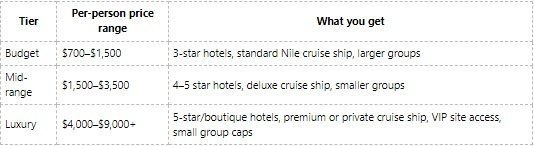
These ranges are illustrative; always confirm current pricing directly with an operator, since costs shift with season and fuel/transport prices. Solo travelers should also expect a single-supplement fee, which can add several hundred dollars on top of the per-person double-occupancy rate.
Hidden Costs to Budget For
Even a well-labeled all-inclusive trip has extras worth planning for:
- Tipping expected for guides, drivers, and cruise staff; not usually included in the package price
- Alcohol and specialty drinks; bottled water is typically covered; alcohol often isn't
- Optional site entries some famous extras, like the interior of Tutankhamun's tomb in the Valley of the Kings, cost extra even when the main site entry is included
- Egyptian visa either purchased on arrival or in advance, depending on your nationality
- Travel insurance rarely bundled, worth adding separately
- International flights almost never included, even in "all-inclusive" branding
Budgeting an extra 10–15% above the quoted package price is a reasonable buffer for these add-ons.
Visa and Entry Requirements
Most travelers from North America, Western Europe, Australia, New Zealand, and several other regions can get a visa on arrival at Cairo Airport or apply for an e-visa in advance. Requirements do change, though, so verify current rules on Egypt's official visa portal or with your embassy shortly before you travel rather than relying on any single blog post; this is one area where outdated information can genuinely disrupt a trip.
How to Choose the Right Trip for You
Not all all-inclusive packages suit every traveler. A few quick matches:
- First-timers look for 8–10 day itineraries covering Cairo, Luxor, and Aswan with a Nile cruise; this hits the major highlights without over-packing the schedule
- Families prioritize operators offering flexible pacing and hotels with pools; shorter daily touring blocks help with kids
- Solo travelers check the single-supplement policy before booking, and consider small-group tours for built-in social contact
- Honeymooners look for boutique ships or private Dahabiya cruises rather than large standard vessels
- Seniors or travelers with mobility concerns ask specifically about walking distances at sites and whether alternatives (golf carts, shorter routes) are offered
Best Time of Year to Go
October through April is generally the best time to visit Egypt, with daytime temperatures that make sightseeing manageable. June through August can exceed 104°F (40°C) in Upper Egypt (Luxor and Aswan), which makes touring genuinely tough even with air-conditioned transport between stops. If you're set on a summer trip, prioritize an itinerary with earlier start times and more time on an air-conditioned cruise ship versus walking tours.
Sample 8-Day Itinerary
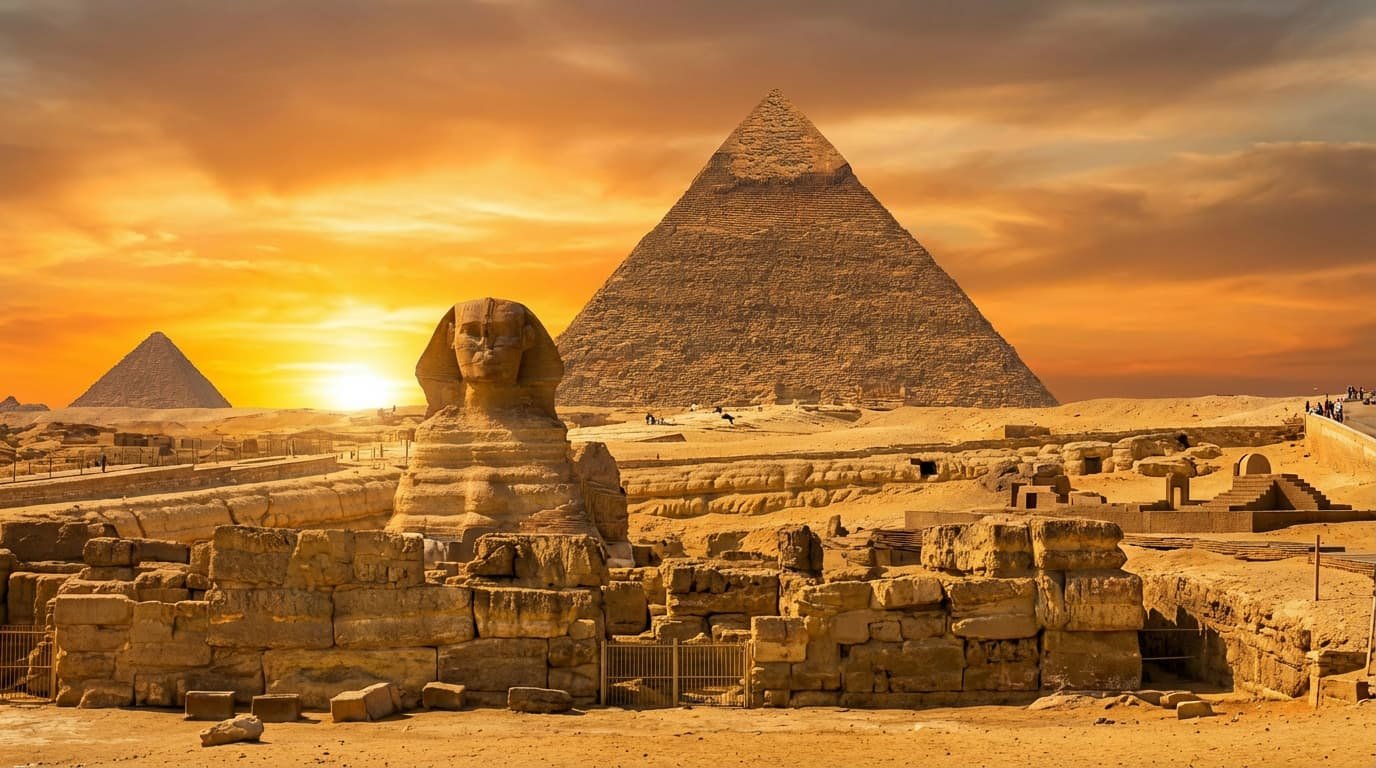
- Days 1–3: Cairo Giza Pyramids and Sphinx, Egyptian Museum, Khan el-Khalili bazaar
- Day 4: Fly to Luxor, board Nile cruise ship, visit Karnak and Luxor Temples
- Day 5: Valley of the Kings, Hatshepsut's Temple, sail toward Edfu
- Day 6: Edfu Temple, continue to Kom Ombo, visit Temple of Kom Ombo
- Day 7: Arrive Aswan, visit the High Dam, Unfinished Obelisk, Philae Temple
- Day 8: Fly back to Cairo, departure
This structure balances history-heavy days with relaxed time on board the ship, a pattern most well-designed itineraries follow for good reason.
Questions to Ask Before Booking
- Exactly what meals and drinks are included, day by day?
- Is the Nile cruise ship name confirmed, or subject to change based on availability?
- What is the single-supplement fee, if traveling alone?
- What is the maximum group size on shared tours?
- Are entrance fees to every site on the itinerary included, or are some optional/extra?
- What's the cancellation and refund policy?
- Is the guide a licensed Egyptologist, and do they speak your language fluently?
Getting clear answers here upfront avoids the most common source of post-booking frustration: assuming something was included that wasn't.
Frequently Asked Questions
What is included in an all-inclusive Egypt trip? Typically hotel or cruise ship accommodation, guided tours, entrance fees, domestic transport, and most meals. International flights, visas, tips, and alcohol are usually separate.
How much does an all-inclusive Egypt vacation cost? Budget trips start around $700–$1,500 per person; mid-range runs $1,500–$3,500; luxury packages can exceed $9,000, depending on trip length and accommodation tier.
Do I need a visa to visit Egypt? Most nationalities can get a visa on arrival or apply for an e-visa in advance, but requirements change — confirm current rules before you travel.
Is a Nile cruise included in all-inclusive packages? Many multi-day Egypt packages that combine Cairo with Luxor and Aswan include a 3–7 night Nile cruise as part of the itinerary, though shorter Cairo-only packages typically don't.
What's not included in "all-inclusive"? International flights, visa fees, travel insurance, tips, alcohol, and a few optional premium site entries are the most common exclusions.
How many days do I need for a first trip to Egypt? 8–10 days is a common sweet spot for covering Cairo, Luxor, and Aswan without rushing.
Is Egypt safe for tourists? Egypt has a strong tourism safety infrastructure, including dedicated tourist police at major sites. As with any destination, standard travel precautions apply.
What's the difference between full board and all-inclusive? Full board covers breakfast, lunch, and dinner. All-inclusive adds most drinks on top of all three meals.
When is the best time to visit Egypt? October through April offers the most comfortable temperatures for sightseeing.
Do I need to tip guides and staff? Yes, tipping is customary in Egypt and expected for guides, drivers, and cruise staff, even on all-inclusive packages.
Final Thoughts
The right all-inclusive Egypt trip comes down to matching the package's actual scope, not just its label, to your budget, travel style, and priorities. Read the inclusions list carefully, budget for the extras that rarely make it into the marketing copy, and confirm visa and seasonal details close to your travel date. With that groundwork done, booking the trip itself is the easy part.

