

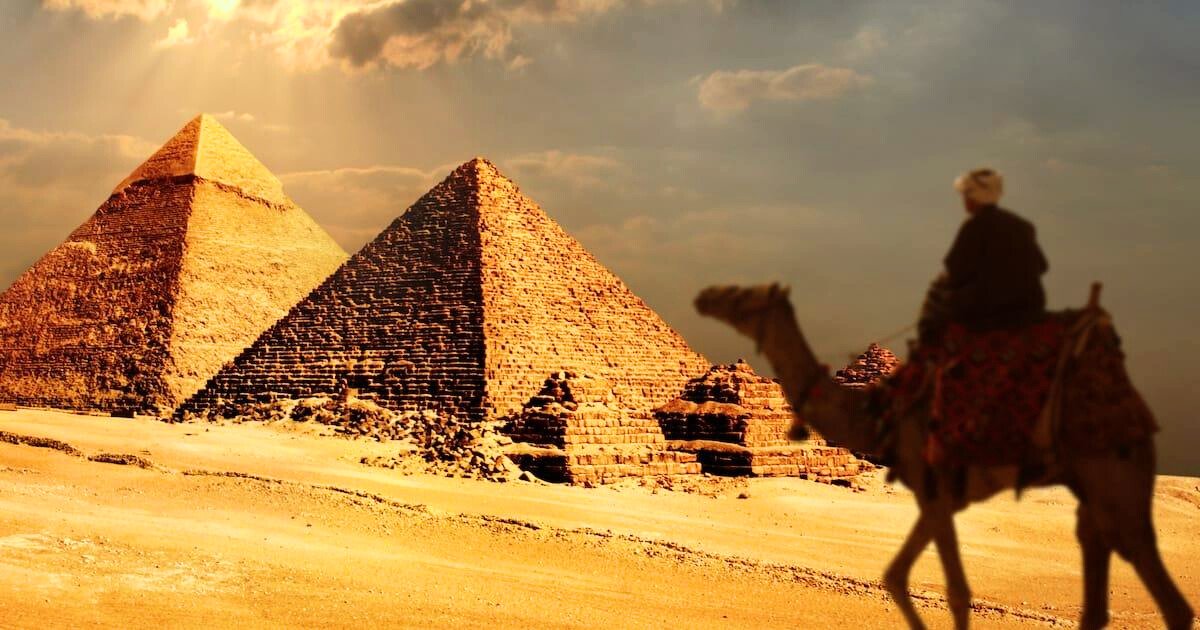
Picking a date for Egypt isn't just about avoiding a heatwave; it's about matching the season to what you actually want from the trip. A November week built around temple-hopping in Luxor calls for different timing than a July dive trip off Hurghada. Here's how to choose, backed by real regional data instead of one blanket rule.
The Quick Answer
The best time to visit Egypt is October through April, when daytime temperatures across Cairo, Luxor, and Aswan sit in the comfortable low-to-high 20s°C (mid-70s to mid-80s°F) and rainfall is close to zero. Within that window, October and April, the shoulder months offer the best balance: you get winter-level comfort without winter-level crowds or prices. If you're chasing warm water for diving instead of comfortable sightseeing, flip the calendar: May to September is when the Red Sea is at its best, even though inland cities are brutally hot.
There's no single "best" month for everyone. There's a best month for your priorities.
How to Choose the Right Time for Your Trip
Most Egypt guides hand you a temperature chart and leave you to figure out the rest. Here's a faster way to decide: pick the one thing that matters most to you, and let it set your dates:
- Comfortable sightseeing is your priority → Go in October, November, February, March, or April. You'll get pleasant days, cool evenings, and manageable crowds at the major sites.
- Lowest possible cost is your priority → Go in June, July, or August. Flights and hotels drop, and you can still see everything if you sightsee at dawn and rest during the midday heat.
- Smallest crowds at the Pyramids and Luxor temples is your priority → Go in July or August. It's the quietest stretch of the year at inland sites, precisely because most travelers avoid the heat.
- Best diving and snorkeling is your priority → Go May through September, when the Red Sea is warmest and calmest.
- A Nile cruise in real comfort is your priority → Go in October–April, ideally avoiding the December–January crush if you also want smaller crowds on board and at ports of call.
- Desert trips (Siwa, the White Desert) are your priority → Go in October–April; summer heat in the open desert is genuinely dangerous, not just uncomfortable.
Keep this framework in mind as you read the rest; most of the advice below maps back to one of these six priorities.
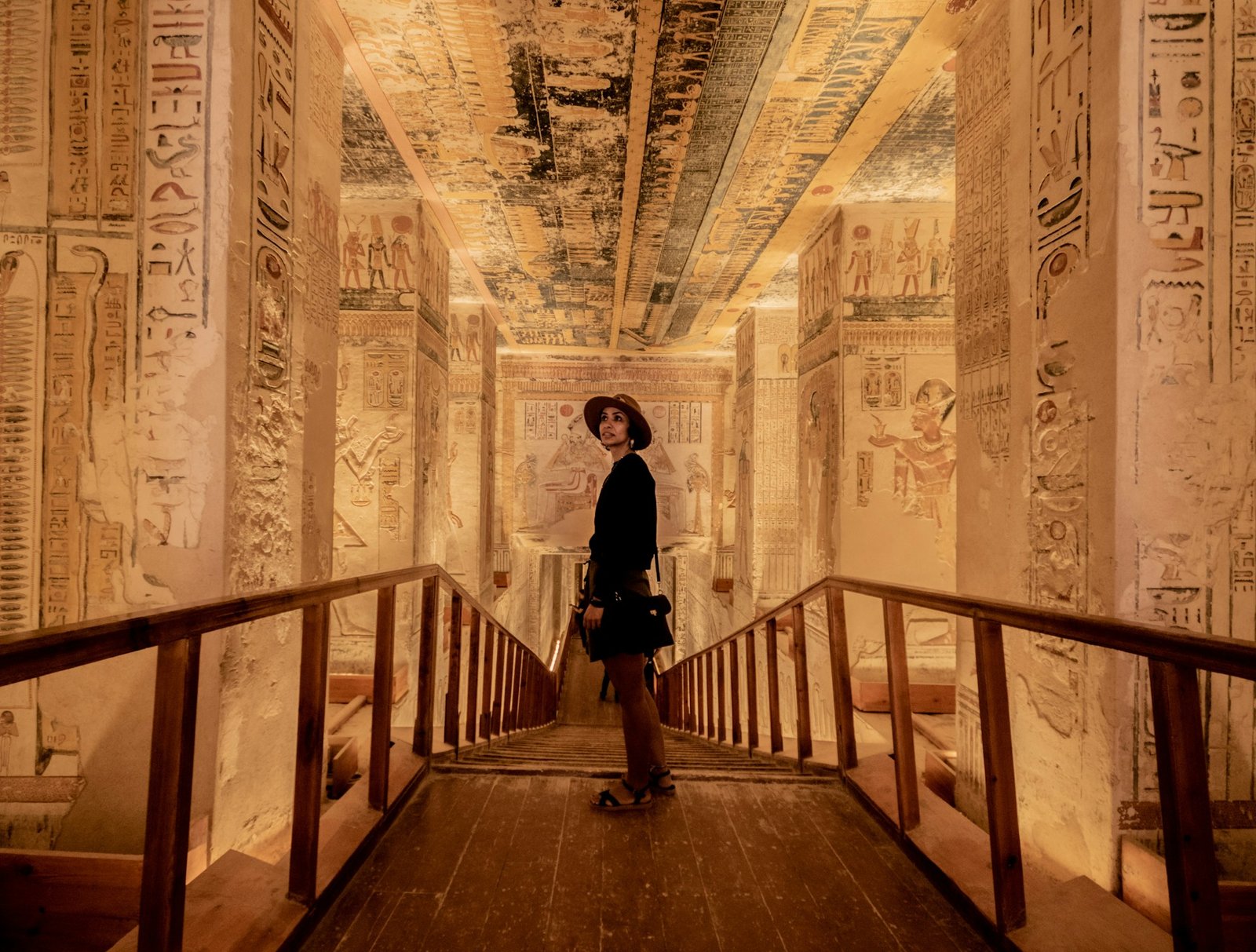
Egypt's Climate, Region by Region
Egypt doesn't have one climate; it has several, and the gap between them is bigger than most people expect. Cairo and the north are noticeably milder than Luxor and Aswan in Upper Egypt, while the Red Sea coast runs warm nearly year-round thanks to the sea.
| Month | Cairo (High/Low °C) | Luxor (High/Low °C) | Aswan (High/Low °C) | Hurghada (High/Low °C) | Rain (Cairo) |
|---|---|---|---|---|---|
| Jan | 19 / 9 | 23 / 7 | 23 / 9 | 22 / 12 | Occasional |
| Feb | 21 / 10 | 25 / 9 | 26 / 11 | 23 / 13 | Occasional |
| Mar | 24 / 12 | 30 / 13 | 30 / 14 | 25 / 15 | Rare |
| Apr | 29 / 15 | 35 / 17 | 34 / 19 | 28 / 18 | Rare |
| May | 33 / 18 | 39 / 22 | 39 / 23 | 31 / 21 | None |
| Jun | 35 / 21 | 41 / 24 | 41 / 26 | 34 / 24 | None |
| Jul | 35 / 22 | 41 / 25 | 41 / 26 | 34 / 26 | None |
| Aug | 35 / 22 | 41 / 25 | 41 / 27 | 34 / 26 | None |
| Sep | 33 / 21 | 39 / 23 | 39 / 24 | 32 / 24 | None |
| Oct | 29 / 18 | 34 / 19 | 35 / 21 | 30 / 21 | Rare |
| Nov | 25 / 14 | 28 / 14 | 29 / 16 | 26 / 17 | Occasional |
| Dec | 21 / 10 | 24 / 9 | 24 / 12 | 23 / 13 | Occasional |
Figures are seasonal averages and will vary year to year; treat them as planning guidance, not a forecast. For a deeper region-by-region breakdown, see WeatherSpark's year-round climate comparison for Egypt.
The takeaway: Cairo is genuinely the mildest of the four year-round, which is why it's a good base in shoulder or even early-summer months. Luxor and Aswan run 5–8°C hotter than Cairo in every season, which is why October–March is far more of a hard rule there than it is in the capital. Hurghada's coastal breeze keeps it more bearable in summer than anywhere inland, which is exactly why beach-and-dive travelers head there when temple-hoppers are staying home.
Month-by-Month Guide
January–February: Coolest months, cool enough for a jacket some evenings in Cairo. Also peak season: the biggest crowds and highest prices of the year. Abu Simbel Sun Festival falls on February 22.
March: Warming quickly, and this is when the khamaseen, a hot, dry wind that can raise short-lived dust and sandstorms, starts to appear through April. It's occasional, not constant, but worth knowing about.
April: One of the two best all-around months: crowds and prices ease after the winter peak, and inland heat is still manageable if you keep afternoons light. Sham El-Nessim, a spring festival celebrated by all faiths, usually falls this month.
May–June: Genuinely hot inland, with Luxor and Aswan regularly hitting 39–41°C. Good for the coast, tough for temple-heavy days unless you start at dawn.
July–August: The hottest and quietest stretch of the year. Sightsee early and late and rest midday, and you'll have sites like the Valley of the Kings nearly to yourself. Also peak season on the Red Sea coast.
September: Heat starts breaking by month's end, and this is arguably the best window for Red Sea diving conditions.
October: The other standout month: comfortable temperatures, crowds not yet at winter levels, and a strong window for a Nile cruise. The second Sun Festival at Abu Simbel falls on October 22.
November–December: Comfortable but increasingly busy as winter peak season builds; December is lively but also among the most expensive, crowded months.
Best Time by Major Attraction
Different sites reward different timing, not just because of weather but because of when tour groups arrive:
- Giza Pyramids: Arrive at opening (around 8 AM) in November–February for the coolest, least crowded window; visit on a weekday if possible.
- Valley of the Kings & Luxor's temples: November–March for comfort, or July–August if you're willing to trade heat for near-empty tombs.
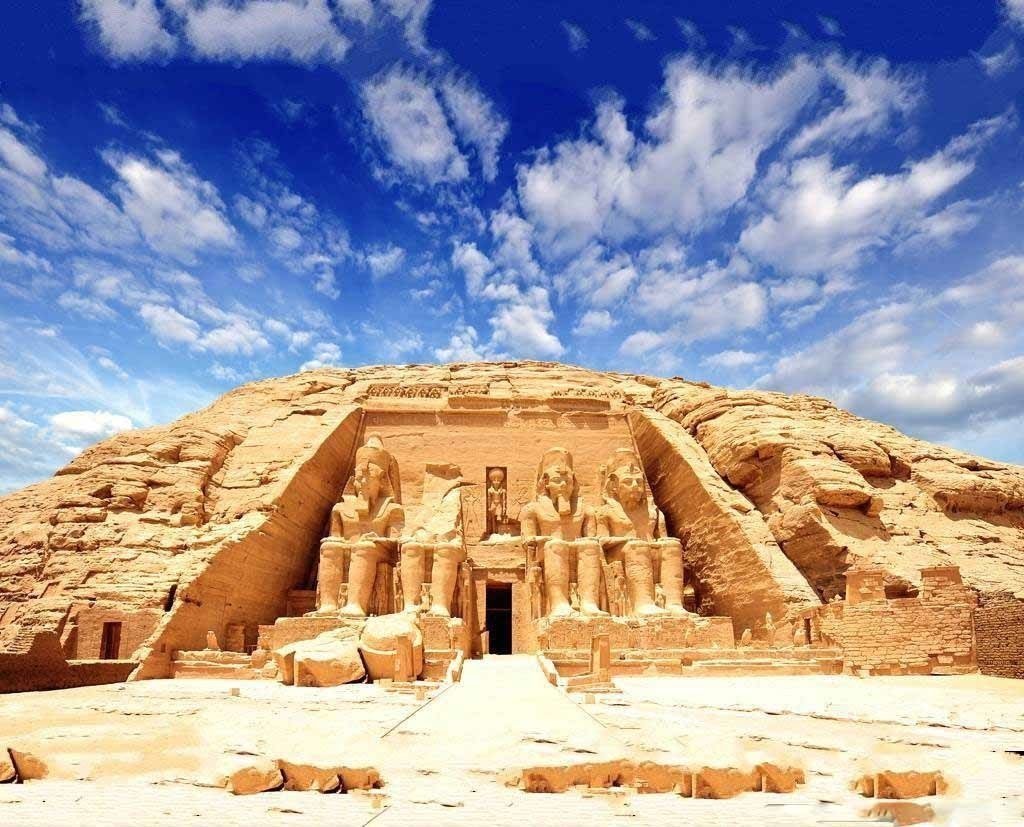
- Abu Simbel: October–March generally, with the Sun Festival dates (Feb 22 and Oct 22) as a bonus if your schedule allows.
- Siwa Oasis & the White Desert: October–April only; summer heat in these remote desert areas isn't just uncomfortable, it's genuinely risky without careful planning.
- Grand Egyptian Museum / Egyptian Museum: Indoor and air-conditioned, so it's a solid choice regardless of season, and a smart way to fill a hot midday in summer.
For a fuller rundown of what to prioritize beyond this list, browse our guide to the best places to visit in Egypt.
Best Time for a Nile Cruise
October through April is the sweet spot: comfortable days on deck, cool evenings, and manageable heat at the temple stops along the way (Edfu, Kom Ombo, Philae). Within that window, avoid the last two weeks of December and the first week of January if crowds bother you; cabins book out fastest for that stretch, sometimes months in advance, and ports get genuinely busy. If you're set on a smaller, quieter boat like a traditional dahabiya, April and October tend to have more availability than the December peak. For a closer look at boat types, routes, and sample itineraries, see our full guide to planning a Nile cruise in Egypt.

Best Time for Red Sea Diving and Beaches
Flip the "best time" logic for the coast: May through September brings the warmest water (around 26–28°C) and the calmest conditions for diving and snorkeling around Hurghada, Sharm El Sheikh, and Marsa Alam. Whale shark sightings in the Red Sea also cluster in this window. If you want beach weather without the peak of Cairo-area summer heat radiating down the coast, April–May and September–November are a good middle ground.

Ramadan and Egypt's Festival Calendar
Ramadan shifts roughly 11 days earlier each year on the Gregorian calendar, so it's worth checking exact dates for your travel year before booking. During Ramadan, many local restaurants and cafés reduce their daytime hours, since observant Muslims fast from sunrise to sunset, but tourist sites, hotels, and restaurants catering to visitors generally stay open as normal. Evenings come alive with iftar (the fast-breaking meal) and a genuinely festive atmosphere, and if you can experience Eid al-Fitr at the end of the month, it's a memorable three-day celebration. It's not a reason to avoid Egypt, just something to plan around with a bit of extra awareness (and a bit of common courtesy, like not eating or drinking openly on the street during fasting hours).
Beyond Ramadan, mark your calendar around the Abu Simbel Sun Festival (February and October 22), Sham El-Nessim (spring), and, if you're near Cairo in autumn, the Cairo International Film Festival in November.
How Season Affects Cost
Egypt is generally an affordable destination year-round, but the swing between peak and low season is real. December through February is the most expensive stretch; flights and Nile cruise cabins in particular climb and sell out earlier. June through August is consistently the cheapest window for flights and hotels, since the heat deters a large share of travelers. If you want winter-level comfort without winter-level prices, October and April are the closest thing to a genuine "best of both" window: moderate weather, moderate crowds, moderate cost.
How to Avoid Crowds, Even in Peak Season
Timing your trip for shoulder season is the biggest lever, but there's more you can do at any time of year: arrive at major sites right at opening, since tour buses typically arrive an hour or two later; visit on weekdays rather than Fridays and Saturdays, when local visitors are more likely to be out; and pre-book timed entries where they're offered, especially for Abu Simbel and the Grand Egyptian Museum, rather than arriving and hoping for the best.
The Worst Time to Visit Egypt (and When It Might Still Work)
If pressed, June through August in Luxor and Aswan is the closest thing to a genuine "worst" window; daytime highs above 40°C make extended outdoor sightseeing exhausting, and heat-related risk is real if you're not careful with hydration and sun protection. But it's not a hard no: if your itinerary leans coastal, keeps inland sightseeing to early mornings, and you're comfortable with serious heat, summer offers the emptiest sites and the lowest prices of the year. It's a legitimate trade-off, not just a mistake to avoid.
Frequently Asked Questions
What is the best month to visit Egypt? October and April are generally considered the best single months, balancing comfortable temperatures with lower crowds and costs than the December–February peak.
Is it too hot to visit Egypt in summer? Inland cities like Luxor and Aswan regularly exceed 40°C in July and August, which makes extended outdoor sightseeing tough. The Red Sea coast stays more comfortable thanks to sea breezes.
Can I visit Egypt during Ramadan? Yes, tourist sites and hotels operate as normal, though local restaurant hours may be reduced during the day. Many travelers find the evening atmosphere during Ramadan genuinely memorable.
What is the cheapest time to visit Egypt? June through August typically has the lowest flight and hotel prices, since extreme heat keeps overall demand down.
What is the best time for a Nile cruise? October through April, avoiding the busiest two weeks around Christmas and New Year if you want a quieter, less fully-booked experience.
Is spring or autumn better for visiting Egypt? Both are strong choices, but autumn (October) has a slight edge; spring can bring the khamaseen wind and occasional dust in March and early April, which autumn doesn't have to contend with.
Bottom Line
If you only take one thing away: October and April are the safest, most balanced choices for a first trip to Egypt, covering comfortable sightseeing, manageable crowds, and moderate cost all at once. Beyond that, let your actual priority budget, quiet at the sites, or warm water for diving pick your season, using the region-by-region data above rather than a single nationwide rule of thumb.
Ready to start mapping out the rest of your trip? Our complete Egypt travel guide covers everything else you'll need, from visas to itineraries, and Egypt's official tourism site is a solid starting point for entry requirements and up-to-date event listings before you book.

